
Understanding OFAC Sanction Check: Importance and Implementation
In our increasingly interconnected world, the need for compliance with various regulatory frameworks has never been greater. One critical aspect of this compliance is the OFAC sanction check, which plays a vital role in ensuring businesses do not engage with sanctioned individuals or entities. Understanding how OFAC sanction checks work, their importance, and how to implement them effectively is essential for any business operating internationally. For a detailed explanation of how the OFAC sanction check operates, visit OFAC sanction check https://americanflyoutfitters.com/pages/ofac-sanction-check-how-it-works.html.
What is OFAC?
The Office of Foreign Assets Control (OFAC) is an office of the U.S. Department of the Treasury. It administers and enforces economic and trade sanctions based on U.S. foreign policy and national security goals against targeted foreign countries and regimes, terrorists, international narcotics traffickers, and those engaged in activities related to the proliferation of weapons of mass destruction. Sanctions can be comprehensive or selective, using various tools such as trade restrictions and asset freezes.
The Importance of OFAC Sanction Checks
Conducting OFAC sanction checks is crucial for several reasons:
- Legal Compliance: Engaging with sanctioned individuals or entities can lead to significant legal consequences, including fines and penalties. Performing thorough OFAC checks helps businesses remain compliant with U.S. laws.
- Risk Management: OFAC sanction checks are part of a broader risk management strategy. They help identify potential threats to the organization that could arise from doing business with sanctioned parties.
- Reputation Protection: Businesses that inadvertently engage with sanctioned entities can suffer reputational damage. Demonstrating a commitment to compliance through regular OFAC checks can help maintain a positive public image.
- International Trade: For businesses involved in international trade, understanding the OFAC regulations is essential for smooth operations. Non-compliance can disrupt trade relationships and lead to loss of future opportunities.
How OFAC Sanction Checks Work
The OFAC sanction check process generally includes the following steps:
1. Screening against OFAC Lists
The first step in an OFAC sanction check is screening individuals and entities against the OFAC Specially Designated Nationals (SDN) list and other relevant sanctions lists. This involves using software or databases that provide updated information on sanctioned parties.
2. Identifying Matches
During the screening process, businesses will need to assess any potential matches. This can involve examining names, addresses, and other identifying information. False positives are common and require careful investigation.
3. Due Diligence
If a potential match is identified during the screening process, businesses should conduct additional due diligence. This may involve further research to confirm the identity of the entity and its status regarding sanctions.
4. Implementing Compliance Measures
If a match is confirmed and the individual or entity is sanctioned, businesses must implement appropriate compliance measures. This may include ceasing any transactions, reporting to authorities, and ensuring that none of the sanctioned party’s assets are involved in the business operations.
Best Practices for OFAC Sanction Checks
To effectively implement OFAC sanction checks, businesses should consider the following best practices:
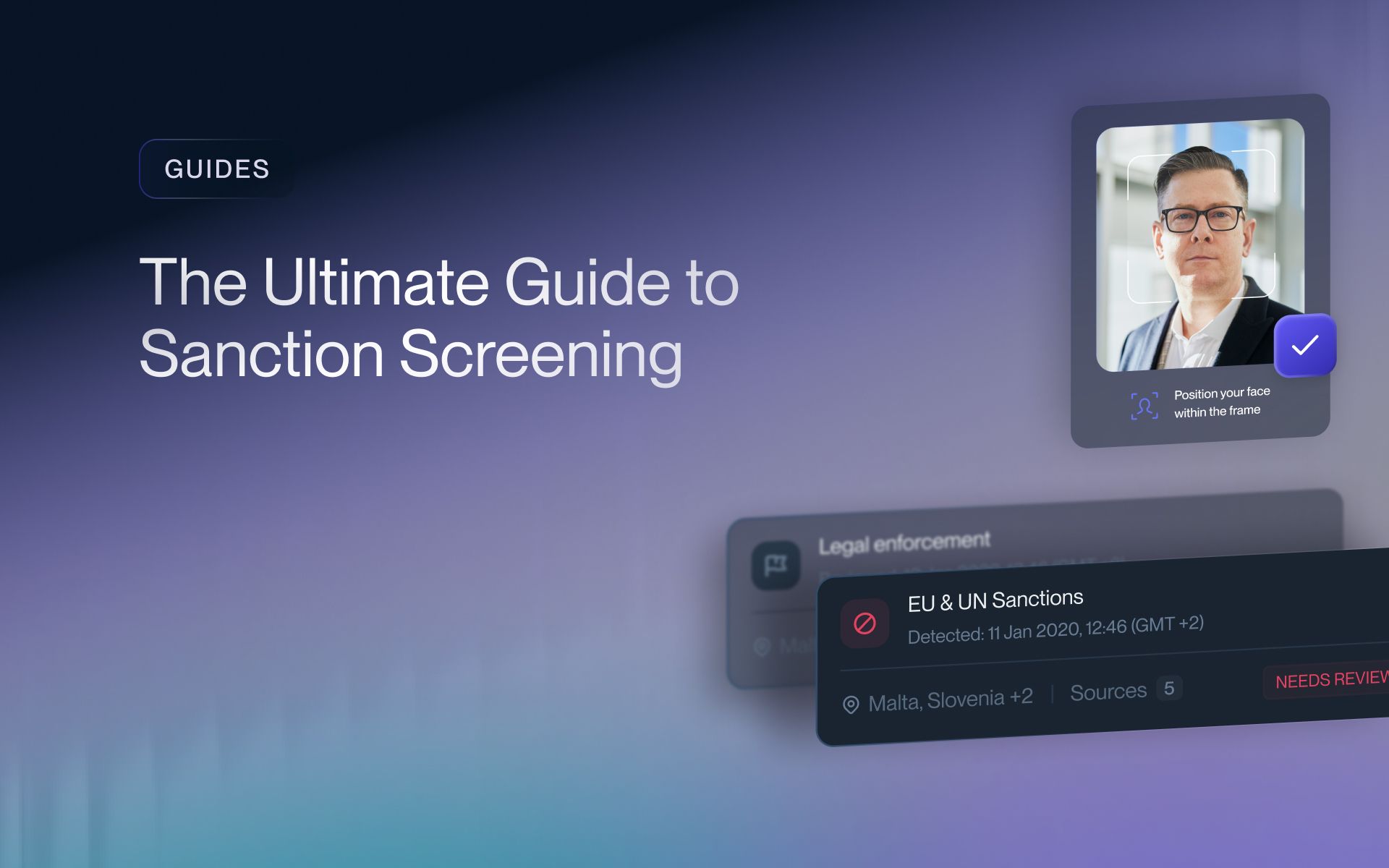
- Regular Updates: OFAC lists are updated frequently. Businesses must ensure that their screening process involves regularly updated data to maintain compliance.
- Staff Training: Employees should be trained on the importance of OFAC compliance, understanding how to conduct checks, and recognizing potential red flags.
- Technology Integration: Implementing specialized software can streamline the sanction screening process. This technology can automate checks and flag potential issues for further review.
- Record Keeping: Maintaining thorough documentation of sanction checks is vital. This can serve as proof of compliance should any issues arise in the future.
Conclusion
In conclusion, understanding and implementing OFAC sanction checks is fundamental for businesses engaged in international trade or any activities that may involve sanctioned individuals or entities. By prioritizing compliance, conducting thorough screening, and adhering to best practices, organizations can protect themselves from legal repercussions, manage risk effectively, and uphold a strong reputation. The landscape of global business continues to evolve, and staying informed about OFAC regulations will be essential for future success.
