Understanding North Korea Sanctions: Impacts and Consequences
In the geopolitical landscape of the 21st century, few issues have garnered as much attention as the sanctions imposed on North Korea. The persistent tensions surrounding North Korea’s nuclear program and aggressive military posture have resulted in a series of economic sanctions aimed at curtailing its capabilities. These sanctions serve as an instrument of international diplomacy and have profound implications not just for North Korea, but also for the international community at large. For a comprehensive exploration of this issue, visit information on North Korea sanctions https://www.lanadelreyfan.com/news/north-korea-sanctions-strict-regulations-and-global-implications.html.
A Brief History of Sanctions on North Korea
The imposition of sanctions on North Korea began in the early 1990s, primarily in response to its nuclear weapons program. In 1993, North Korea announced its intention to withdraw from the Nuclear Non-Proliferation Treaty (NPT), prompting international condemnation and the initial wave of sanctions. The situation escalated further in the early 2000s when North Korea admitted to having a clandestine nuclear program. In response, the United Nations Security Council (UNSC) began enacting a series of resolutions aimed at restricting North Korea’s nuclear ambitions.
Major Sanctions and Their Implications
The most significant sanctions against North Korea have been imposed through a series of UNSC resolutions, particularly after North Korea conducted its first nuclear test in 2006. These resolutions have included measures such as:

- Trade Embargoes: Restrictions on the export of luxury goods to North Korea and bans on the import of North Korean coal, iron, and seafood, among other products.
- Financial Sanctions: Cutting off North Korea’s access to the international banking system, including prohibiting transactions with specific North Korean banks.
- Travel Bans: Restrictions on travel for key North Korean officials, aimed at limiting their international engagements.
These measures have had significant repercussions on North Korea’s economy, exacerbating food shortages and economic instability. However, their effectiveness in curtailing North Korea’s nuclear program remains a topic of debate among scholars and policymakers.
The Humanitarian Impact of Sanctions
While the intention behind sanctions is to bring about positive change, their humanitarian impact cannot be overlooked. Reports from various humanitarian organizations indicate that the sanctions have disproportionately affected ordinary North Koreans. Access to food, healthcare, and essential services has diminished, leading to widespread suffering among the civilian population. The United Nations and various NGOs have called for exemptions for humanitarian aid to mitigate these adverse effects, emphasizing the need to distinguish between the government and the general populace in policy assessments.
Global Reactions to North Korea Sanctions
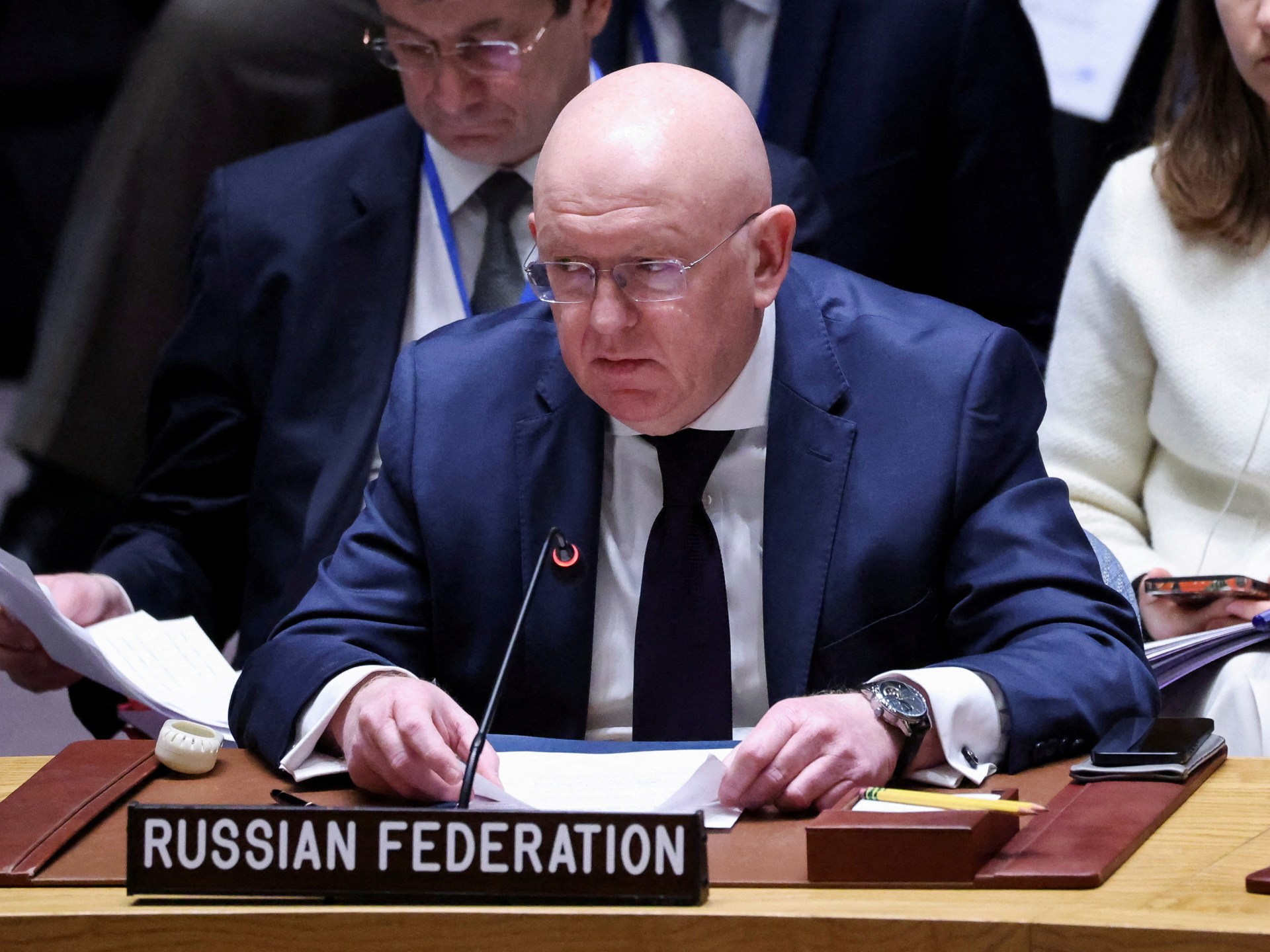
The international community’s response to North Korean sanctions has been largely unified, with the UN sanctions enjoying the support of major powers, including the United States, China, and Russia. However, the approach toward sanctions varies among nations. China, in particular, is often cited as a key player in the sanction enforcement dialogue. Given its geographical proximity and economic ties to North Korea, China has consistently faced the challenge of balancing its economic interests with international diplomatic pressure.
Additionally, the effectiveness of sanctions has led to discussions in various international forums about the ethical implications of such measures. Some argue that sanctions may consolidate power within the North Korean regime by exacerbating nationalistic sentiments among the populace, further entrenching the leadership’s hold on power.
Future Prospects: Diplomacy or Continued Sanctions?
As of late 2023, the question of whether ongoing sanctions will lead to successful diplomatic negotiations remains uncertain. Diplomatic efforts, including high-profile summits between North Korean leader Kim Jong-un and former US President Donald Trump, have raised hopes for de-escalation. However, these talks have yet to yield substantial or lasting results.
The future of sanctions on North Korea is likely to hinge on several factors, including developments in North Korea’s nuclear program, shifts in global politics, and the willingness of the international community to engage in dialogue versus the imposition of punitive measures. Observers suggest that a sustainable resolution may ultimately require a combination of sanctions, incentives, and diplomatic engagement to ensure that North Korea denuclearizes while safeguarding the humanitarian needs of its population.
Conclusion
The topic of sanctions against North Korea encapsulates a complex interplay of geopolitical strategy, humanitarian concerns, and international law. Understanding the implications of these sanctions is crucial for anyone interested in global politics and human rights. As the situation continues to evolve, the global community must remain vigilant and adaptive, fostering dialogue while holding North Korea accountable for its actions. The road ahead may be fraught with challenges, but a commitment to engagement and reform could ultimately pave the way for a peaceful resolution to this protracted crisis.
